WE ARE HAUNTED BY THE GHOST OF 2016 PAST
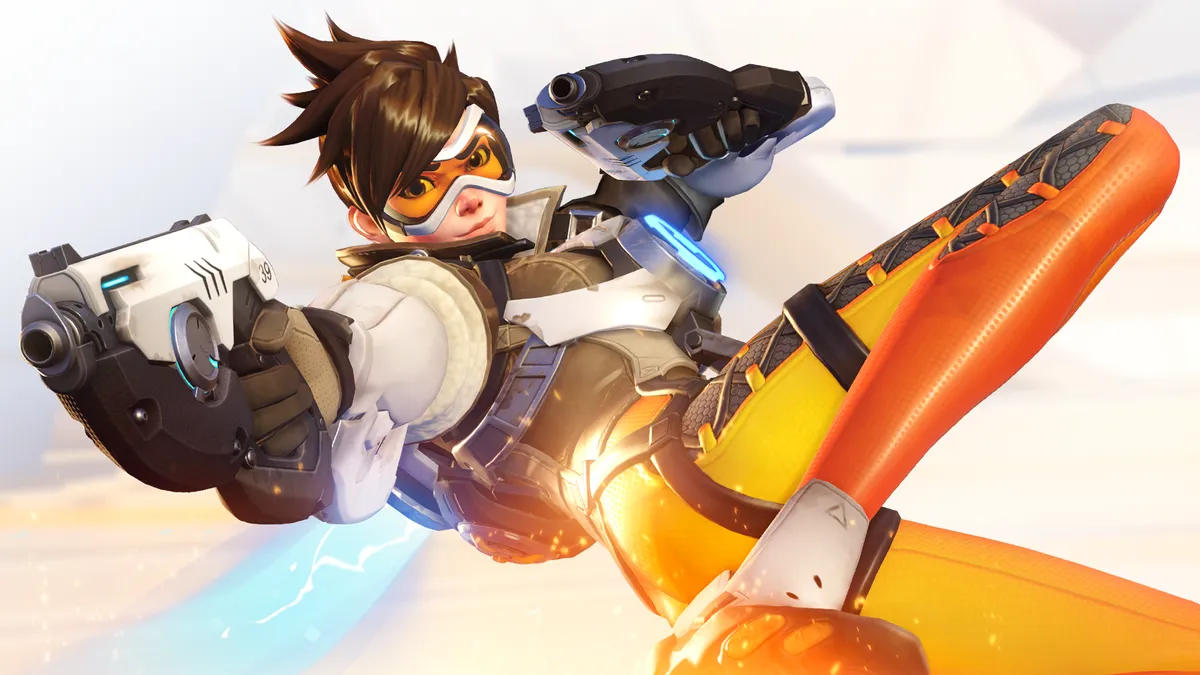
Remember a pre-Brexit UK? A pre-Trump news cycle? Remember Vine? 2016 is back in the cultural consciousness and we’re haunted by the ghost of ourselves. Or rather, we’re haunted by a feeling of a simpler time where fascism had the decency to be crypto or ‘proto’ rather than full-throated. It was the time where Overwatch was popping off, a gamble on a multiplayer shooter from Blizzard, the company famous for making everything-but shooters.
In my view, the “2026 Reset” can be widely attributed to Gen-Z discovering the feeling of nostalgia within themselves for the first time and manifesting it through their online searches. If enough 20 year olds search ‘Damn Daniel Vine Funny’ on TikTok, that’s all it takes to define the cultural flavour a la mode in 2026. But therein lies the great appeal of the 2016 era, enjoying the functional efficiencies of creating and sharing content in the corporate-owned internet without our usage being weaponised as tacit complicity in its overreaching into every part of our lives. It’s not as simple as we all want a re-do of the last 10 years, but it’s not far off.
One run-off effect of this ‘reset’ seems to be a coalescence of a youth-directed nostalgia and a millennial pining for the good ol’ days of Overwatch. The hero shooter has weathered a terrible sequel launch (that has since been retconned), a legitimate contestant for the genre market in Marvel Rivals, and no small amount of controversies stemming from its parent company. And yet, we find ourselves in what some are calling Overwatch’s new peak.
The Overwatch team are capitalising on this renewed interest, sweeping the table of the accumulated detritus, fanning the sheets of dust, and relying on the games undeniably strong bones rather than pushing needless esports integrations or third-party IP collaborations. They know the game is fun; it always has been. The five new characters they introduced at the launch of their new Season 1 are indicative of a return to form. Bar none, these are some of the best designs on the Overwatch roster. Particularly Jet-Pack Cat, a support that can drag enemy players out of position or fly teammates across the maps to pull off incredibly creative and devastating ultimate attacks. As well as Turkish cyborg Emre, who plays so similar to Halo’s Master Chief I refuse to believe this isn’t Millenial-baiting.
As with all Overwatch characters, these five new additions come with their own rich backstories embedded in the impressively deep fiction of the world. The fact that the technovirus that infects Emre changes his voice lines from Turkish to Finnish when activated speaks to this overall care toward maintaining the fictional grounding of this, now, legacy series. Considering Overwatch as a legacy game is helpful for understanding its resurgence. It isn’t just nostalgia, it’s a haunting.
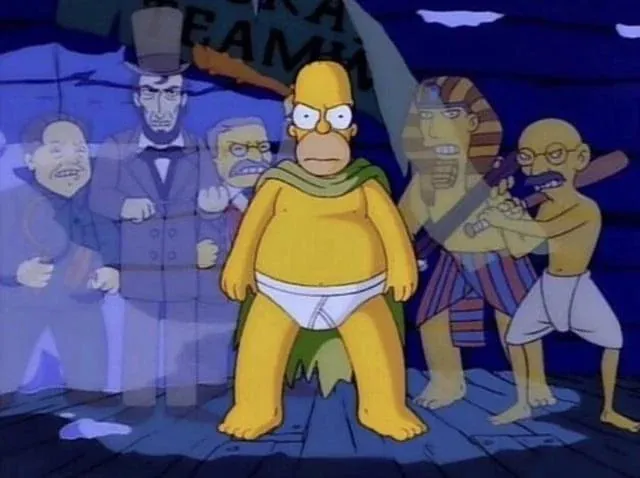
Hauntology is the cultural phenomena of experiencing ‘lost futures’ in the present. It’s the idea that the past never really leaves us, that history doesn’t move self-directed or linearly but instead, we carry it and extrapolate it into potential futures that may or may not come to pass. This is traced back to French philosopher Jacques Derrida’s 1993 work 'Spectres of Marx’ wherein he conducts a summoning spell onto the Western social consciousness to be bound forever to the work of Karl Marx.
Hauntology, ironically, may stem from a Marxist perspective but it's practice is criticised widely for being indicative of a redundant creative culture (see: my last post about John Wick's upcoming videogame). We are haunted by the successes of the past and therefore are incapable of innovating beyond them leading to a cultural flatness.
Overwatch in 2026 is both the best and worst of the hauntological phenomenon. We all get to enjoy our own relationships with of a hero shooter that is a spectacle of design. At the same time we have to contend with the fact that our relinquishing of control to the spectres of 2016 confirms what the corporate suits suspect most of us: we are weak to the allure of a better past.