SEIZURES NOT MADE BY VIRTUE OF DUE PROCESS
They may exercise their rights in person or by agent. They may pursue him into another state; may arrest him on the Sabbath; and if necessary, may break and enter his house for that purpose. The seizure is not made by virtue of due process. None is needed.
- United States Supreme Court ruling on the rights of independent agents holding suspects, Taylor vs Taintor 1873.
We’re all thinking a lot about policing lately. Good thing, too. I truly believe the best wards we have against a corrupt enforcement institution is preparing ourselves to build the next thing; to figure out how to feel safe in your community with what you have around you.
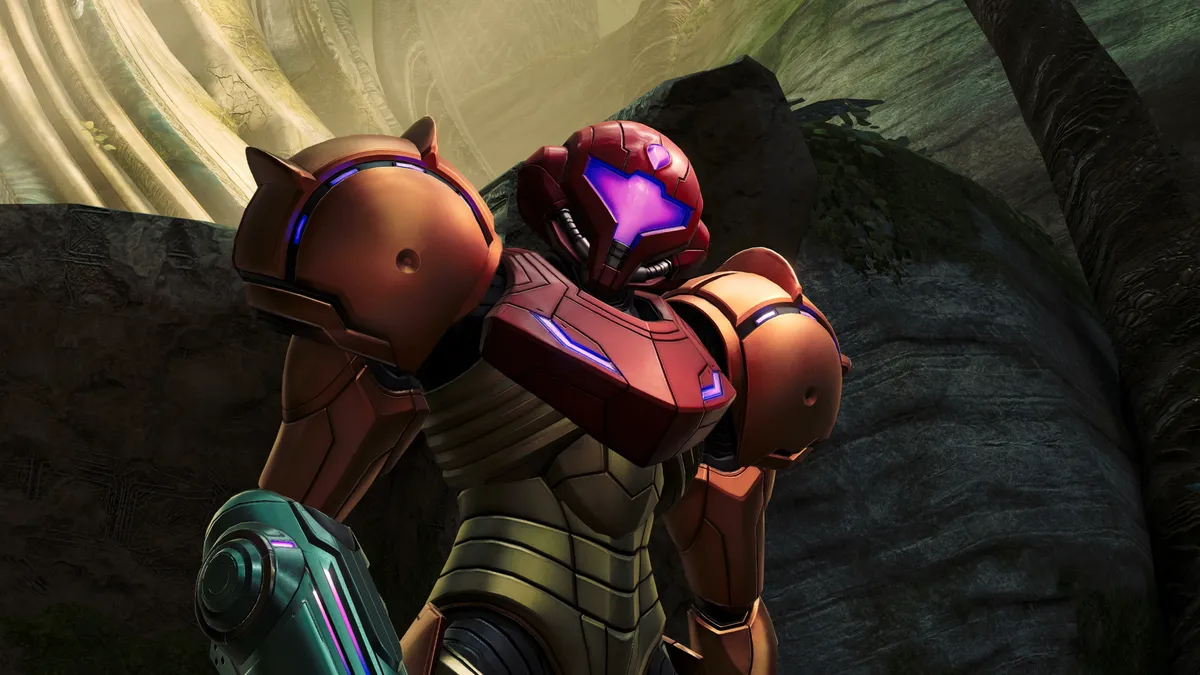
This is not a blog about modern policing (mostly). You see, my annual rewatch of Cowboy Bebop coincided with my playthrough of the disappointing but agreeable Metroid Prime 4. The highly anticipated entry to the FPS iteration of Samus Aran’s adventures does away with the spookiness, isolation, and dynamic labyrinths that characterises Nintendo’s most ‘adult’ series in their stable. Instead, chatty NPCs abound! This guy does machines, this one is a strong-silent type, this one is a Samus super-fan. They just met Samus but they love Samus. Why? Don’t worry about it, she’s a hero and she’s cool, that’s all you need to know.
But it’s not enough for me, I’m afraid, Metroid Prime 4. I’m going to need more. Prime 4 is largely disconnected from the goings-on of the wider galaxy, instead set in an extra-dimensional desert planet that is so gamic in its design that it resembles an escape room, not a mysterious alien planet.
My playthrough got me thinking about what Samus actually is. Master Chief is a soldier, Warhammer 40K’s Space Marines are soldiers, Samus - the third in this genetically-modified triptych - is not a soldier by any in-game account. She’s a ‘bounty hunter’. Now, this blog is not ‘Did You Know Gaming?’ but if you’ll indulge me some trivia, Samus was initially given a ‘Space Hunter’ honorific in the Metroid (NES) manual with only later game paratext referring to her as a ‘Bounty Hunter’.
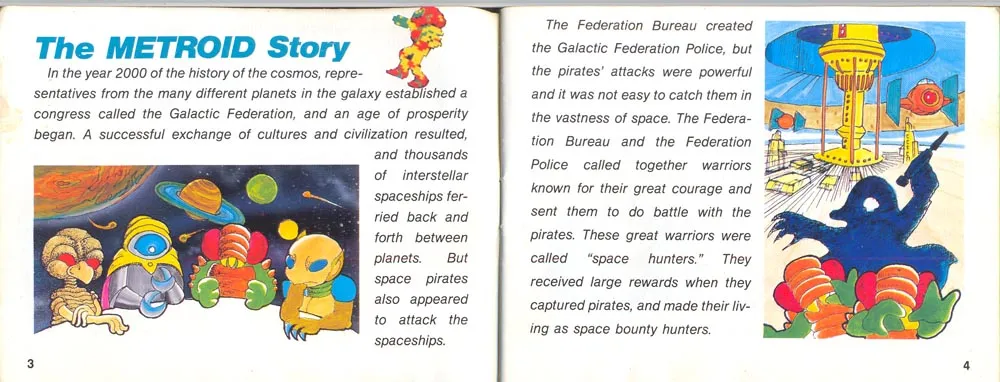
Now, Samus was part of the police force but decided to hand in her badge and arm-cannon to pursue an independent ‘hunter’. This allows for less oversight, more extrajudicial killings, and a more complicated tax return. This career change is apparently explained in Metroid Other M. A game I have not played, and I don't think I ever will. OH WELL.
(Interestingly, while digging around the wikis, I found that Metroid lore boffs often refer to the Federation Police Force as a ‘military organisation’... it’s refreshing to call a spade a space.)
In a 2004 interview with IGN, longtime Metroid director Yoshio Sakamoto addressed the ‘bounty hunter’ misnomer that had become a bit of a sticking point in the community. His explanation: cool vibes.
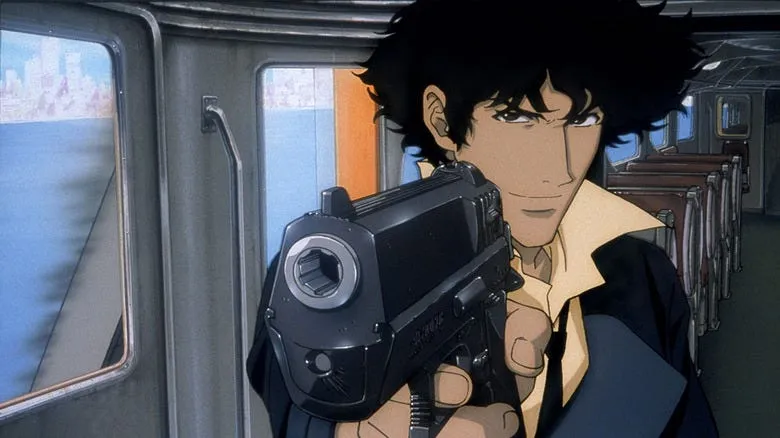
Uncritically speaking, Bounty Hunters are cool. Rick Deckard is cool. Spike Spiegel is cool. Boba Fett is cool. Sakamoto is operating in the same mode as George Lucas did with Star Wars by pinching the archetypes of Spaghetti Westerns, except one step down the chain of derivation. Sakamoto is clear to state that the bounty hunting isn’t what defines her, and good thing too. Nintendo would be shocked to learn the torrid history of the first privateers that made their living hunting down freed slaves in the European colonies or, more recently, the Philippine military’s - with input from the US - deployment of $10 million bounties on the leaders of local terrorist organisation and ISIS-allied Maute Group. Not getting the Nintendo Seal of Quality on any of this stuff, I reckon.
So Samus was a cop, then became a bounty hunter - which we’ve established doesn’t mean what we think it means - so what is she? A mercenary? A paramilitary contractor?! That’s WAY worse.
I’m struggling to pull together a consistent concept of Samus’ role in the galaxy as an ally to Galactic Federation and operating without the requirement to follow due process or face accountability (hey, maybe she still is a cop). The inconsistency of verbiage points to a lack of care toward the Metroid series' worldbuilding writ large. A lack of care that leads to the ‘Prime Timeline’ where The Federation is positioned as the Goodies as opposed to an intergalactic network of bureaucrats and military arms with inscrutable agendas. Put succinctly by a Gamefaqs user: “Mainline Metroid is about a bad Federation that Samus repeatedly butts heads with, while Prime is about a good Federation that Samus repeatedly works with”.
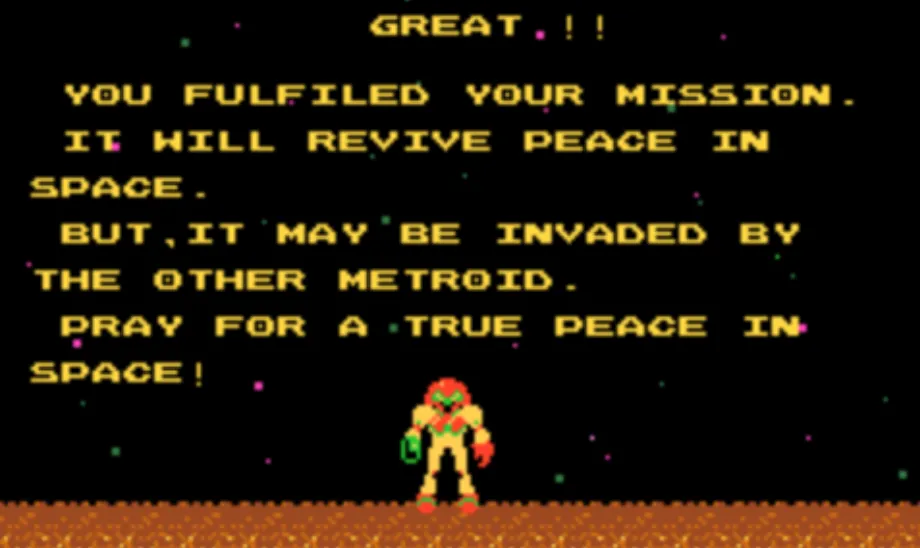
The issue here is that the Metroid series is stuck between the hammer and the anvil. It wants to retain the prestige that the series carries but to do so would mean engaging with shifting cultural values around violence and the authoritarian figures wielding it. Even if your enemies are unnamed Space Pirates whose whole raison d'être is to yell, shoot, and die, Samus carries with her a politic that is inseparable from her vocation. Nintendo can’t deploy the term ‘Bounty Hunter’ without invoking all of its historical weight and how its usage today. For what it’s worth, this is not a Nintendo specific issue: videogame companies love playing toy soldiers but don’t want to engage with the history of their little plastic figurines.
So who is Samus? Well if what she is what she does, she’s more of a bounty hunter than Nintendo would admit to, more of a cop than we should all be happy about.