GETTING AWAY WITH IT IN MARATHON
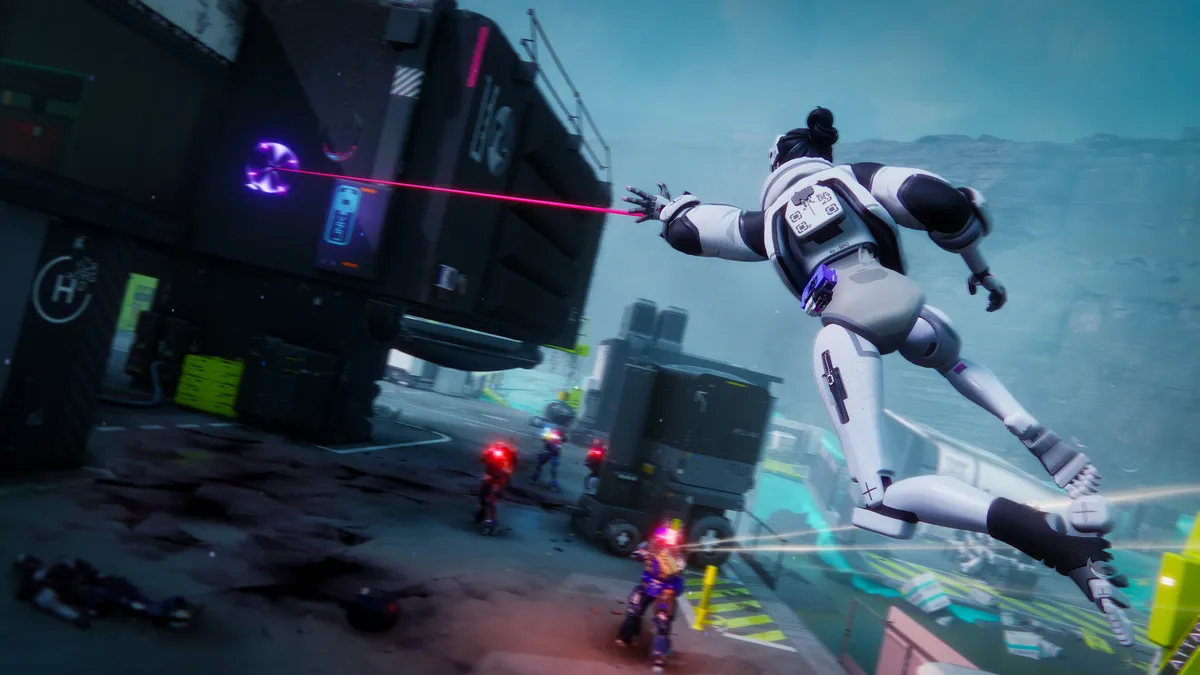
I’m behind enemy lines. The DayGlo facades of the abandoned buildings across New Cascadia’s Perimeter provide no comfort. Marathon is a cut-throat extraction shooter about six corporations deploying freelance scavengers to fight a series of brief proxy battles across a mysteriously desolate colony. In Marathon, you play one of these scavengers… well at least I do. Depending on what you ask, Marathon is actually a game about deploying in teams of three to tactically overpower the other three to four other troopers and pilfering resources from their still-warm shells.
I am a scavenger in Marathon. I move quietly, I try not to open doors and I keep my comms chatter to a minimum. My loyalty is to leaving the arena alive, not rich, but with my pockets lined to justify the cortisol expenditure. I have learned the hard way that this is how I must approach the game; any other way generates a unique frustration within me I began to unpick in my blog on Highguard.
This great piece from Lewis Gordon for The Guardian posits that Marathon is a reflection of a public landscape where corporations are undergoing an unregulated growth rampancy and violent escalation from political bodies goes unpunished. As such, the emergent social interactions that characterised Arc Raiders are fleeting. Playing in the brutal Solo mode, when encountering another player I always attempt to parlay a peaceful passing. “I’m friendly, let’s just go our separate ways” or “I’m just trying to finish this contract”. And it often works. I think most players are intrigued by a potential social integration in a game where spotting another player can mean the loss of all your gear - and more frustratingly - the last 15 minutes of your time.
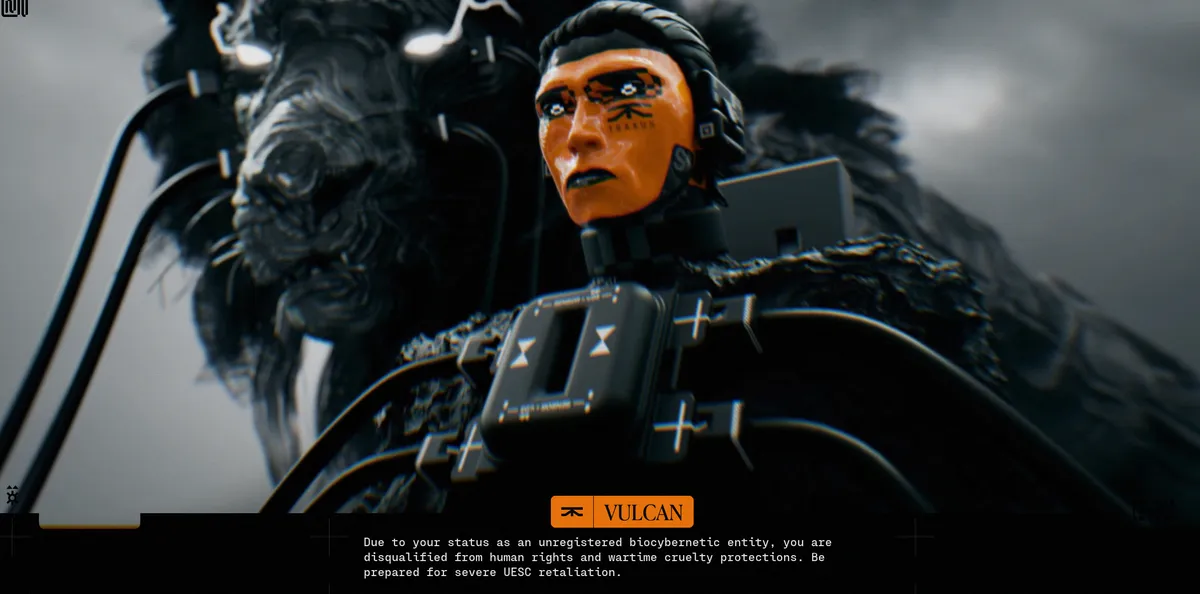
My Marathon strategy will not be found among the Reddit posts from the gamers that have logged 100 hours on Tau Ceti IV. My tactical approach is a necessity for my enjoyment. I am not compatible with a sweaty shooter; I don’t have the temperament for it. Early on in my Marathon experience, I learned to accept that and the game opened up for me. This is not a hardcore shooter, this is a heist game.
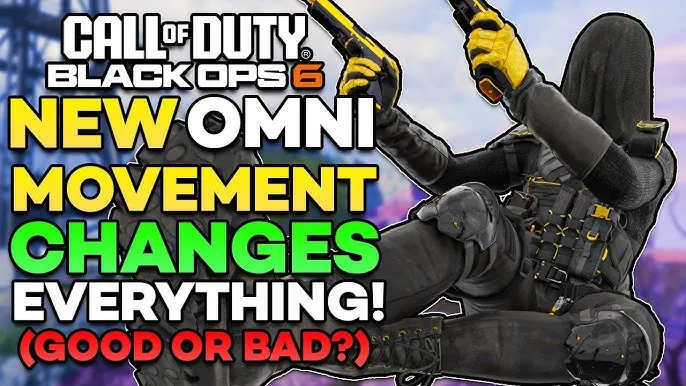
There is resilient discourse that occurs with every cycle of Call of Duty about the introduction of omni-movement. The two sides of the issue are the COD Classicists who believe that the ability to move in any direction as opposed to the four cardinal directions as FPS shooters historically allow. The new generation of players see omni-movement as a naturalised evolution of movement schema that opens up new forms of engagement. The Classicists deem this ignorance, as the churlish whims of a child that has no respect for their formers and they've got the YouTube Thumbnail to prove it. The reason I bring this up is because this divide is not simply generational, I believe this divide is actually evidence of something that is not easy to prove: games are culture. Simply put, there are traditions and those traditions are regularly superseded.
Marathon speaks to the classicists in the Old Language of the shooter genre. I can appreciate it even if it’s not my natural tongue. The variance in language, convention, and historical understanding is a few of the many indicators that games are not a mono-culture. Even within genres, there is no unified belief that the royal ‘We’ exists. There is no unified cadre of Marathon players that agree upon how the game should develop and who the game should serve. Gatekeeping is the result of a community wanting to hang onto the rags of a monoculture. I approach Marathon knowing that the tastes of the classicists are not the same as mine but I’ll configure my play in spite of that; I’ll get away with it right under their noses.
Follow me on BlueSky here: @carrythezero